|
Getting your Trinity Audio player ready...
|

“I plan to renovate my bumbum in Lagos, live there for some time, and hopefully meet the love of my life!”
The book immediately plunges us into the drama insinuated by its title, no “hello,” no beating around the bush. The combination of the title and this interest-piquing opening line immediately implies that the entire book is solely about buttocks and plastic surgery. It would be wise to refrain from judging this story by its opening line.
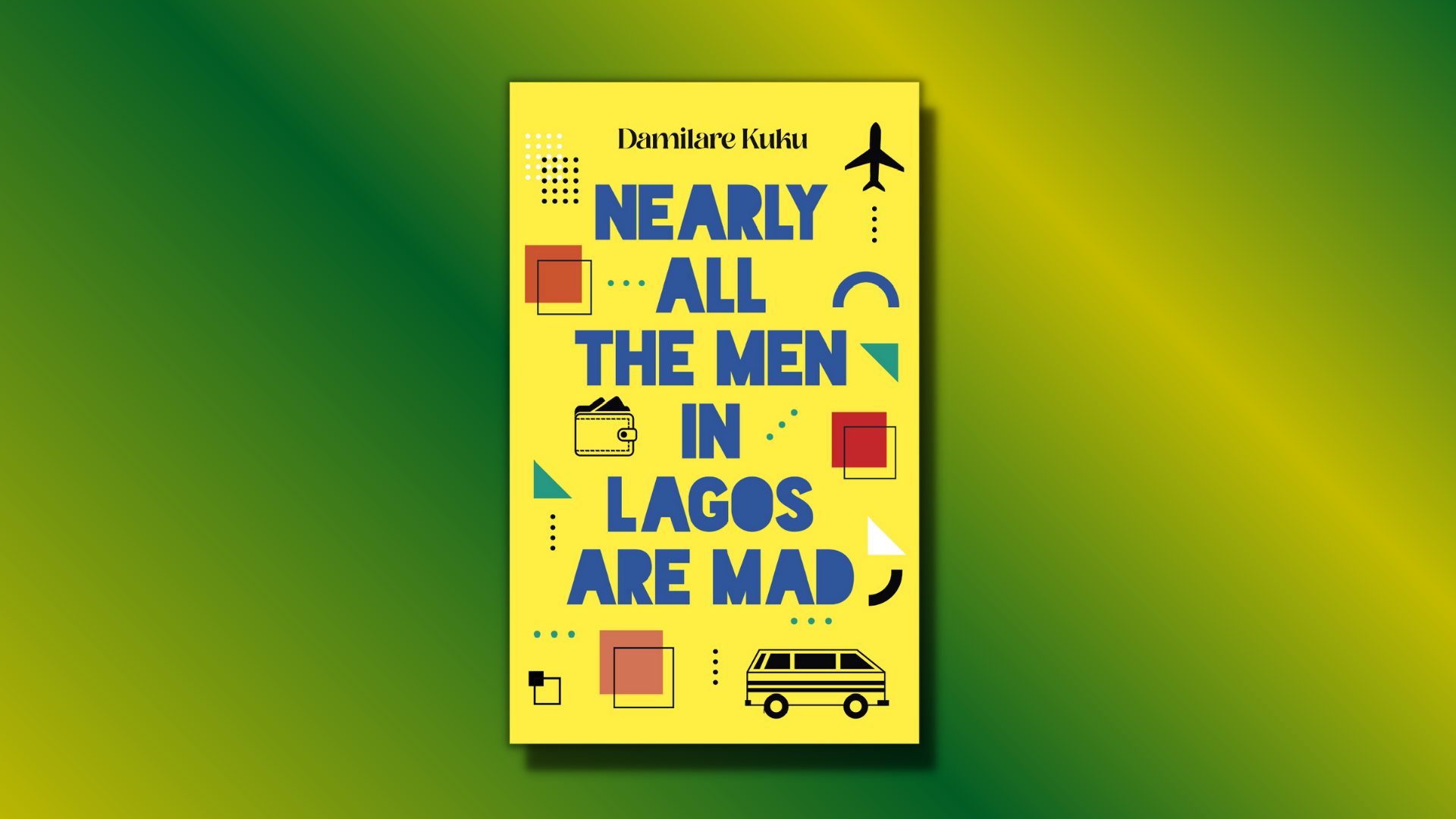
Damilare Kuku seems to be the queen of wordy, provocative book titles with a track record including her debut short story collection Nearly All the Men in Lagos Are Mad and her forthcoming work, Women Rent Men and Secrets Here. Going into this read, I had one question; is there actual substance behind this title, or is it merely a sensational hook to drive sales?
The novel initially centers around Témì, walking us through how her family life and growing up in Ilé Ifè shape her perception of herself, the world and her place in it. She is the younger of two sisters living with parents who are in love with each other and abnormal in the sense that they believe in talking with children rather than beating them or demanding blind obedience from them. This cozy mirage of a perfect family begins to fizzle as we zoom in on the women therein; Témì’s older sister Ládùn, their mother Hassana and their Aunty Jummai.
Following the primary storyline, Témì grows up having a loving enough relationship with her sister Ládùn and their parents. She however does not feel safe enough to confide in them when she first begins to get bullied for having a flat posterior. From a young age, she tries risky things like overeating and unsupervised exercise routines with the slim hope that they will help her body fill out. She feels cheated by her family genetics sinceLádùn, her mother and Aunt Jummai are all naturally well-endowed. She especially envies her sister Ládùn because she is conventionally pretty in addition to being well-proportioned.
Ironically, the sisters are too focused on their own problems to realize that they might not be so different after all. While Témì is the butt of cruel jokes and resorts to padding her school uniform with extra underwear, Ládùn fields unwanted advances from boys and men and begins to wear baggy clothing to keep herself invisible and safe. This is an important and powerful reminder of
the exacting effects of societal beauty standards for women. While Ládùn eventually accepts her body and stops hiding, Témì fixates on plastic surgery as the only solution to fix her bumbum and her life. Things heat up when a secret is revealed and the bonds within the family become strained.
The narrative style fractures somewhat when we are taken through multiple points of view following each of the women in the family, gaining insight into what drives them and how they navigate the challenges of life. This fragmenting of pov distracts from the main storyline as the jumps in the timeline of events and the switches from one character to the other are sometimes disorienting. Through all these, we are introduced to secondary and even tertiary characters and fully established in the world of the story.
Kuku’s writing sings in parts, especially when she writes Témì’s pubescent experience, capturing the angst and urgency of emotions of that time. Other emotive parts include the heart-to-heart conversations between the girls and their parents, especially with Titó, their father, who is the more gentle parent.
The novel explores themes of identity, body dysmorphia, friendship, sisterhood, beauty standards, grief, love, religion and family secrets. The book comes to an inconclusive end that leaves the reader guessing what happens next. In answer to my initial question, this book title is backed by some substance and probably helps with sales as well – a win-win.